
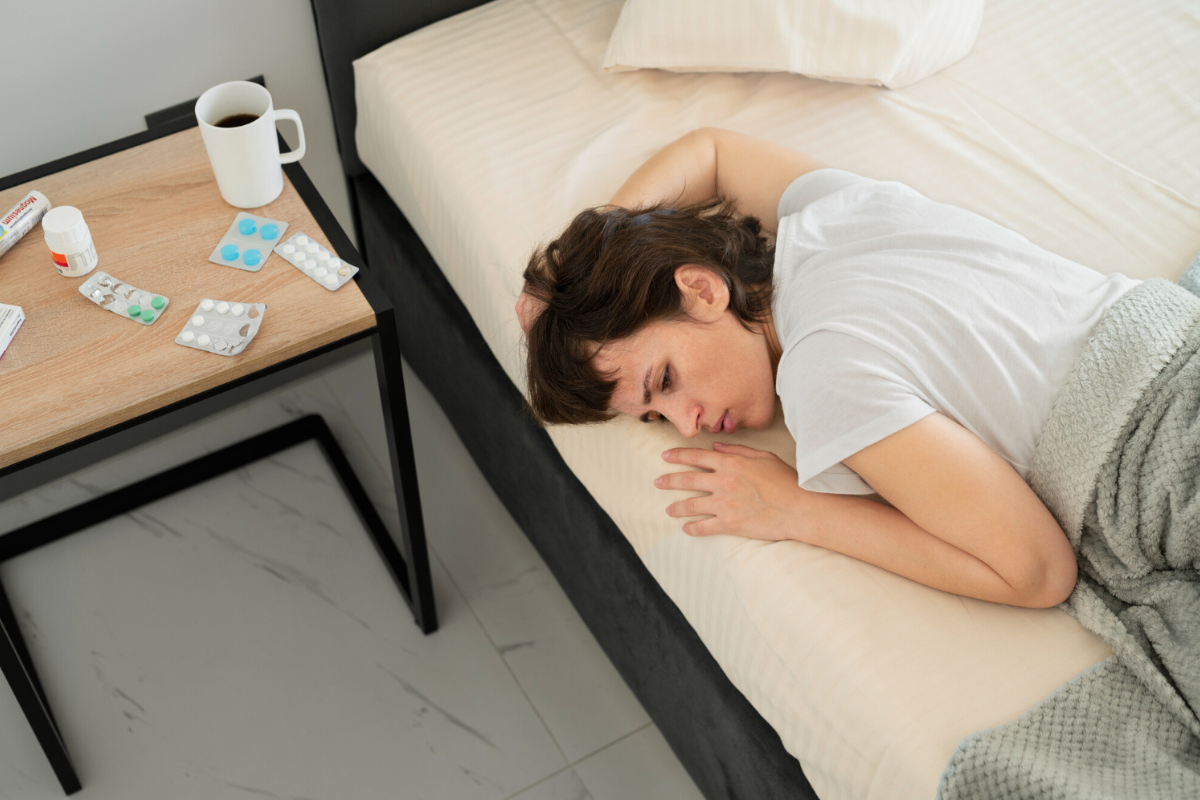
Imagine waking up fully aware—yet completely unable to move. You try to call for help; however, your voice won’t work. At the same time, your chest feels heavy, fear sets in, and seconds stretch into what feels like forever. Although the episode eventually passes, the memory stays with you long after the night ends.
This experience is called sleep paralysis, and despite how frightening it feels, it is a medically recognized sleep disorder—not a sign of danger, weakness, or something supernatural. In fact, millions of people experience sleep paralysis at least once in their lifetime, yet very few understand why it happens or how to stop it naturally.
At JCS Lung & Sleep Centre, we regularly meet patients who are exhausted, anxious, and confused because no one has explained the science behind their symptoms. Therefore, this guide on Sleep Paralysis: Causes, Myths, and How to Stop It Naturally is designed to replace fear with clarity and confusion with confidence.
In the sections ahead, we will explore the real causes of sleep paralysis, debunk common myths that increase anxiety, and—most importantly—share natural, evidence-based strategies to reduce or prevent episodes. Moreover, we’ll explain when professional sleep evaluation may be the key to finally getting restful, uninterrupted sleep.
Because better sleep starts with understanding—and you deserve both.
What Is Sleep Paralysis?
Simply put, sleep paralysis is a temporary inability to move or speak while falling asleep or waking up. However, despite its simplicity in definition, the experience itself can feel overwhelming.
During sleep, your brain naturally switches off muscle activity to prevent you from acting out dreams. However, in sleep paralysis, your mind wakes up before your body regains movement. As a result, awareness returns while paralysis lingers.
Key Characteristics of Sleep Paralysis
- Inability to move or speak
- Episodes lasting a few seconds to a few minutes
- Conscious awareness of surroundings
- Sensation of pressure on the chest
- Possible hallucinations
Therefore, although sleep paralysis is not dangerous, it can feel intensely real and frightening.
Understanding Sleep Paralysis: Causes and Risk Factors
To fully understand Sleep Paralysis: Causes, Myths, and How to Stop It Naturally, we must first examine why it happens. Fortunately, science provides clear answers.
1. Disrupted Sleep Cycles
Sleep paralysis often occurs when REM (Rapid Eye Movement) sleep is interrupted. For example, irregular sleep schedules, jet lag, or frequent awakenings can increase episodes.
2. Sleep Deprivation
When you consistently lack sleep, your brain struggles to regulate sleep stages. Therefore, REM sleep can intrude into wakefulness, triggering paralysis.
3. Stress and Anxiety
Chronic stress raises cortisol levels. As a result, your sleep architecture becomes fragmented, making sleep paralysis more likely.
4. Sleeping Position
Surprisingly, sleeping on your back increases the risk. Although it feels comfortable, this position can contribute to airway collapse and REM intrusion.
5. Underlying Sleep Disorders
Conditions such as insomnia, narcolepsy, and obstructive sleep apnea are closely linked to sleep paralysis. Therefore, expert evaluation at a center like JCS Lung & Sleep Centre becomes essential.
The Science Behind Sleep Paralysis Explained Simply
Although sleep paralysis feels mysterious, the science is straightforward.
During REM sleep:
- Your brain is highly active
- Your body’s muscles are temporarily paralyzed
Normally, both systems wake up together. However, when the brain wakes first, the body remains still. Consequently, sleep paralysis occurs.
Moreover, hallucinations may appear because the dreaming brain is still partially active. Therefore, what you “see” or “hear” feels incredibly vivid.
Common Myths About Sleep Paralysis (And the Truth)
Despite medical explanations, myths continue to surround sleep paralysis. Therefore, let’s separate fear from fact.
Myth 1: Sleep Paralysis Is Supernatural
Although many cultures blame spirits or demons, sleep paralysis is a neurological event—not a paranormal one.
Myth 2: You’re in Physical Danger
While terrifying, sleep paralysis does not cause suffocation or death. Breathing continues normally, although chest pressure can feel intense.
Myth 3: It Means You’re Mentally Ill
Sleep paralysis does not indicate mental illness. Instead, it reflects disrupted sleep patterns.
Myth 4: It Only Happens Once
Unfortunately, episodes can recur. However, with proper care, frequency can be significantly reduced.
As a result, understanding the truth helps reduce fear, which itself lowers recurrence.
Symptoms You Should Never Ignore
Although occasional episodes are common, some warning signs suggest a deeper sleep disorder.
Seek expert help if you experience:
- Frequent episodes (weekly or more)
- Intense hallucinations
- Excessive daytime sleepiness
- Loud snoring or choking during sleep
- Morning headaches
Therefore, a comprehensive evaluation at JCS Lung & Sleep Centre can uncover underlying lung or sleep-related conditions.
How Sleep Paralysis Affects Daily Life
Sleep paralysis doesn’t end when the episode stops. Instead, fear of recurrence often lingers.
As a result:
- People delay sleep intentionally
- Anxiety increases at bedtime
- Sleep quality worsens
- Fatigue impacts work and relationships
Therefore, addressing both physical and emotional factors is essential for recovery.
Sleep Paralysis: Causes, Myths, and How to Stop It Naturally
Now comes the most important part—what you can do.
Fortunately, many natural strategies effectively reduce episodes.
Natural Ways to Stop Sleep Paralysis
1. Establish a Consistent Sleep Schedule
Going to bed and waking up at the same time stabilizes REM sleep. Therefore, your brain transitions more smoothly between sleep stages.
2. Improve Sleep Hygiene
- Avoid screens 1 hour before bed
- Reduce caffeine after midday
- Keep your bedroom dark and cool
As a result, deeper, uninterrupted sleep becomes easier.
3. Change Your Sleeping Position
Because back sleeping increases risk, try sleeping on your side. In addition, this position improves airway stability.
4. Manage Stress Effectively
Stress reduction techniques include:
- Deep breathing exercises
- Meditation or mindfulness
- Gentle evening yoga
Therefore, calming the nervous system reduces REM disruptions.
5. Limit Alcohol and Heavy Meals at Night
Although alcohol feels relaxing, it fragments sleep. Consequently, REM intrusion becomes more likely.
6. Exercise Regularly—but Not Too Late
Regular physical activity improves sleep quality. However, late-night workouts can overstimulate the nervous system.
7. Learn to Break the Episode
During an episode:
- Focus on slow breathing
- Try wiggling fingers or toes
- Remind yourself it will pass
As a result, panic decreases, shortening the episode.
When Natural Methods Are Not Enough
Although lifestyle changes help many people, some require medical intervention.
At JCS Lung & Sleep Centre, specialists evaluate:
- Sleep apnea
- Narcolepsy
- Chronic insomnia
- Lung-related breathing issues
Therefore, treatment plans are personalized and evidence-based.
Why Choose JCS Lung & Sleep Centre?
Because sleep paralysis often overlaps with breathing and lung disorders, expert care matters.
What Sets JCS Apart?
- Advanced sleep diagnostics
- Comprehensive lung and sleep assessments
- Personalized treatment plans
- Patient-first approach
Moreover, addressing root causes leads to lasting relief—not just symptom management.
The Emotional Side of Sleep Paralysis
Beyond physical symptoms, emotional distress deserves attention.
Patients often report:
- Fear of sleeping alone
- Embarrassment discussing symptoms
- Anxiety and hypervigilance
Therefore, compassionate care plays a critical role in recovery.
Can Children and Teens Experience Sleep Paralysis?
Yes, although it is more common in teens and young adults. Hormonal changes, academic stress, and irregular sleep schedules contribute significantly.
Therefore, early education and healthy sleep habits are essential.
Sleep Paralysis and Sleep Apnea: The Hidden Connection
Many people don’t realize that sleep apnea can trigger sleep paralysis.
When breathing pauses repeatedly:
- Sleep becomes fragmented
- REM cycles are disrupted
- The brain wakes abruptly
As a result, paralysis episodes increase.
Therefore, a sleep study at JCS Lung & Sleep Centre may reveal a treatable cause.
Long-Term Outlook: Can Sleep Paralysis Be Cured?
While there is no single “cure,” most people achieve significant improvement.
With:
- Proper diagnosis
- Lifestyle adjustments
- Medical support when needed
Episodes often become rare or disappear entirely.
FAQs: Sleep Paralysis: Causes, Myths, and How to Stop It Naturally
Sleep deprivation, stress, irregular sleep schedules, and sleep disorders are the most common causes.
No, sleep paralysis is not physically dangerous, although it can feel frightening.
Maintaining a consistent sleep schedule, reducing stress, improving sleep hygiene, and avoiding back sleeping help significantly.
Yes, obstructive sleep apnea can increase the risk of sleep paralysis due to disrupted REM sleep.
If episodes are frequent, severe, or accompanied by daytime sleepiness, expert evaluation is recommended.
Final Thoughts: Knowledge Is the First Step to Better Sleep
Sleep paralysis may feel overwhelming. However, understanding Sleep Paralysis: Causes, Myths, and How to Stop It Naturally transforms fear into empowerment.
Moreover, expert care ensures you’re never navigating sleep challenges alone.
If slep paralysis is affecting your quality of life, JCS Lung & Sleep Centre is here to help you breathe easier—and sleep better.