
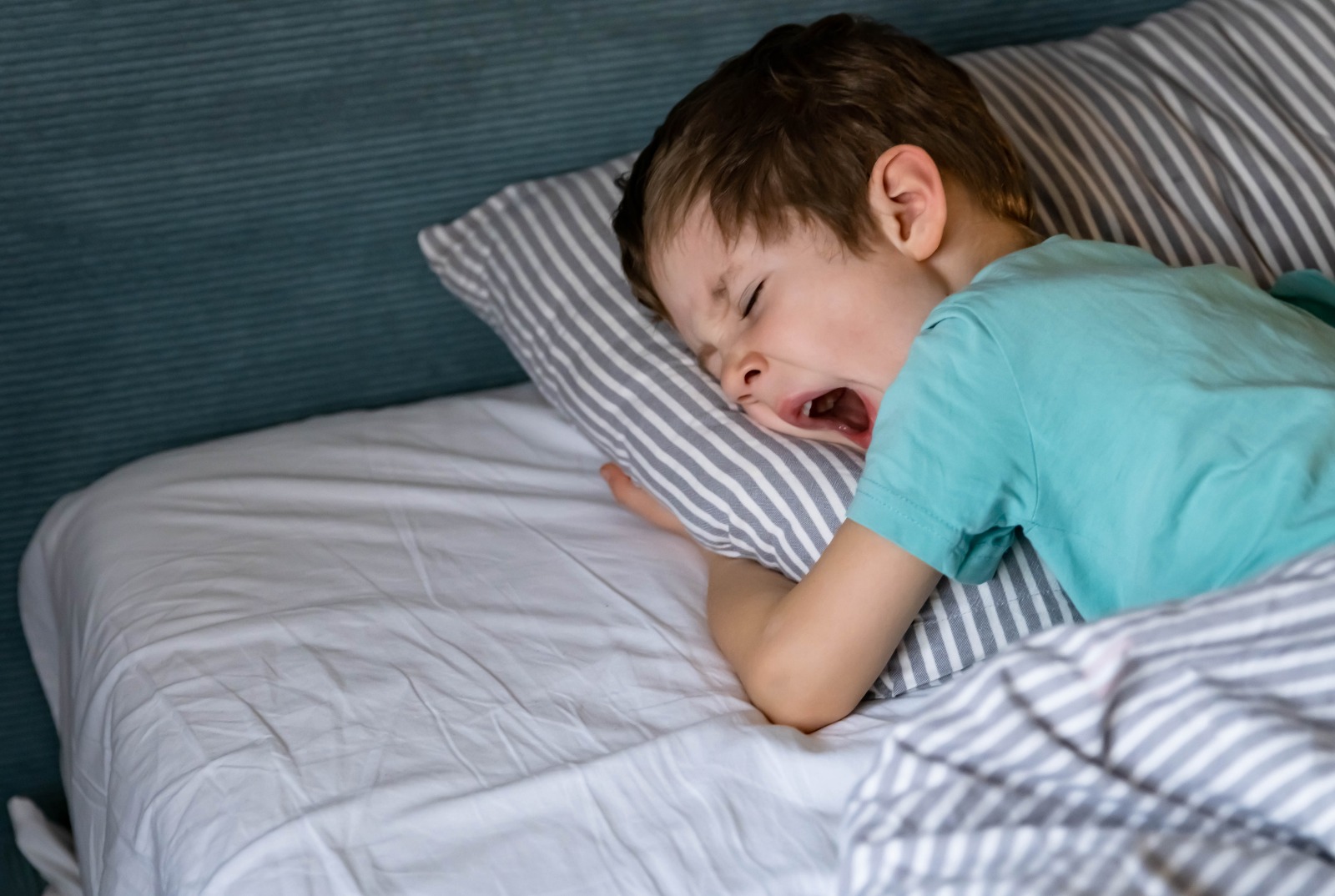
Snoring in children is often dismissed as a harmless habit or something children will simply outgrow. Many parents hear the soft or sometimes loud sounds coming from their child’s room and assume it means deep sleep. However, persistent snoring in children can be a sign that their breathing is being disrupted during sleep. At JCS Lung and Sleep Center, we frequently see parents who are surprised to learn that snoring is not just a nighttime noise—it can be a medical signal that deserves attention. Understanding when snoring is normal and when it requires medical evaluation can protect your child’s health, development, and overall quality of life.
Understanding Snoring in Children
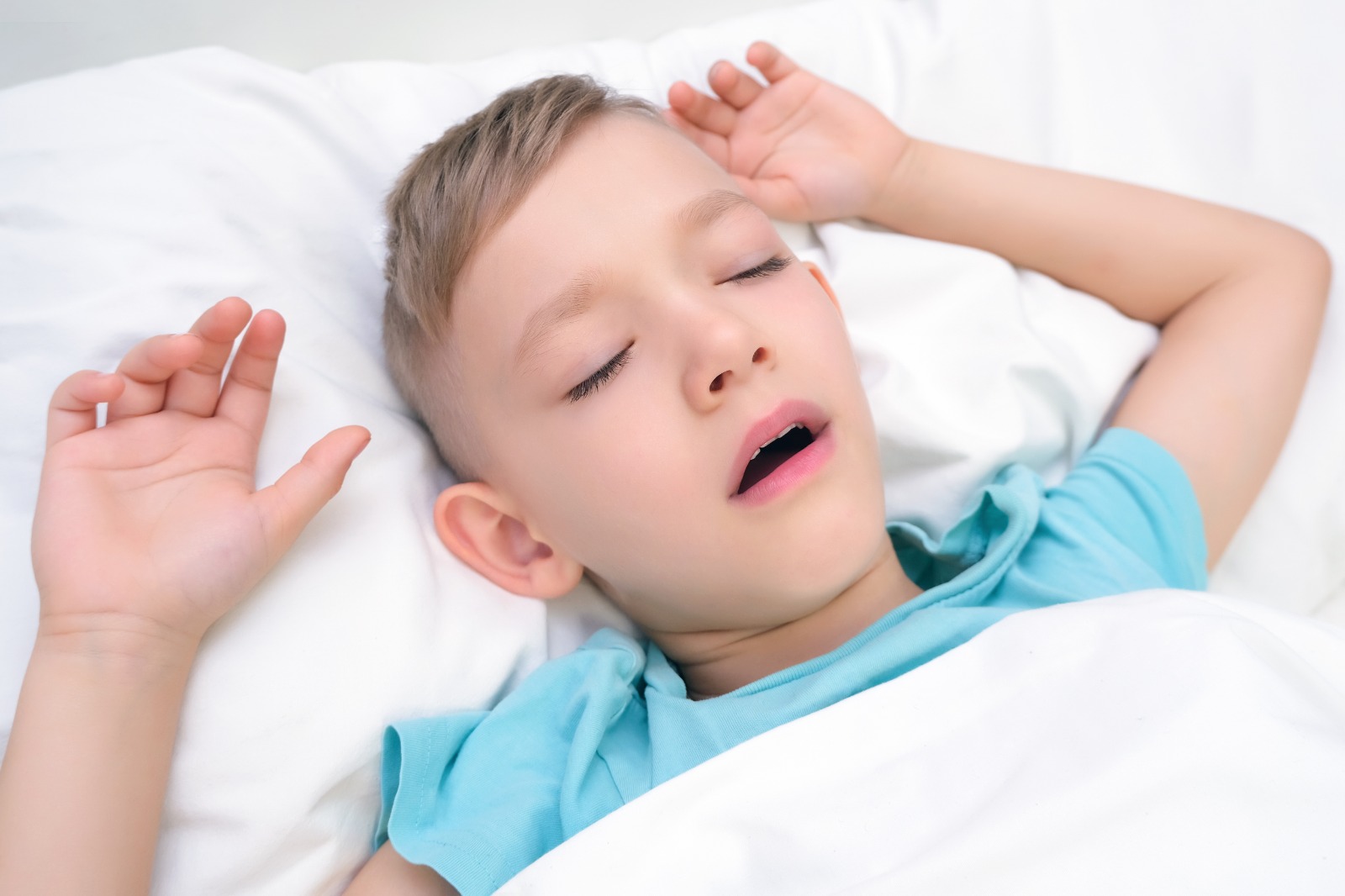
Snoring occurs when air struggles to move freely through the nose and throat during sleep. This partial blockage causes surrounding tissues to vibrate, creating sound. While snoring is commonly discussed in adults, its presence in children is far more significant and often overlooked. Children have smaller airways, and even mild obstruction can cause noticeable breathing disturbances during sleep.
Unlike adults, children rarely snore because of lifestyle factors alone. In most cases, pediatric snoring is linked to anatomical, respiratory, or inflammatory conditions that can be effectively treated once diagnosed.
Is Snoring in Children Normal or a Warning Sign?
Occasional snoring in children, especially during colds or seasonal allergies, is usually temporary and resolves once the illness passes. However, when snoring becomes frequent, loud, or persistent, it may signal an underlying problem.
Chronic snoring—defined as snoring that occurs more than three nights a week—should never be ignored. It often indicates airway obstruction or sleep-disordered breathing. At JCS Lung and Sleep Center, we emphasize that persistent snoring is not a phase; it is a symptom that requires evaluation.
Why Snoring in Children Should Not Be Ignored
Sleep plays a vital role in a child’s physical growth, emotional stability, and cognitive development. During deep sleep, the body releases growth hormones, strengthens immunity, and consolidates learning and memory. When breathing is disrupted due to snoring, sleep quality suffers even if the child appears to sleep for long hours.
Children who snore frequently may experience fragmented sleep, reduced oxygen levels, and repeated micro-awakenings. Over time, this can affect school performance, behavior, mood, and overall health. What seems like a nighttime issue often reveals itself as a daytime struggle.
Common Causes of Snoring in Children
Enlarged Tonsils and Adenoids
Enlarged tonsils and adenoids are the most common cause of snoring in children. These tissues can block the airway during sleep, especially when the muscles relax. Children with this condition often breathe through their mouths and may experience frequent throat infections.
Allergies and Chronic Nasal Congestion
Allergic rhinitis causes inflammation of the nasal passages, making it difficult for air to flow smoothly. When nasal breathing is compromised, children rely on mouth breathing, which increases the likelihood of snoring. Dust, pollen, pet dander, and pollution are common triggers.
Obstructive Sleep Apnea in Children
Obstructive Sleep Apnea (OSA) is a serious condition where breathing repeatedly stops and starts during sleep. Snoring is one of its most noticeable symptoms. Children with OSA may struggle with attention, learning, and emotional regulation if left untreated.
Obesity and Weight-Related Airway Narrowing
Excess weight can contribute to fat deposits around the airway, making it more likely to collapse during sleep. Childhood obesity significantly increases the risk of snoring and sleep apnea, making early intervention crucial.
Structural or Anatomical Abnormalities
Certain children have naturally narrow airways, deviated nasal septums, or jaw alignment issues that affect breathing during sleep. These structural factors often require specialized evaluation and tailored treatment.
Underlying Respiratory Conditions
Conditions such as asthma and chronic respiratory inflammation can worsen nighttime breathing. Poor lung function or airway sensitivity may contribute to noisy breathing and disturbed sleep patterns.
Symptoms That Indicate Snoring Needs Medical Attention
Nighttime Symptoms
Parents should pay close attention to loud or habitual snoring, pauses in breathing, gasping sounds, restless sleep, and excessive sweating at night. Bedwetting beyond the expected age can also be linked to sleep-disordered breathing.
Daytime Symptoms
During the day, children with sleep-related breathing issues may appear unusually tired or, paradoxically, overly active. Poor concentration, irritability, morning headaches, and mouth breathing are common warning signs that sleep quality is compromised.
When Should Parents Consult a Doctor?
If snoring persists for more than two to three weeks, occurs most nights, or is accompanied by behavioral or academic changes, medical consultation is essential. Parents should also seek help if they notice breathing pauses or choking sounds during sleep.
At JCS Lung and Sleep Center, early evaluation allows us to identify the cause before it leads to long-term health complications.
How Snoring in Children Is Diagnosed
Detailed Medical History
A thorough discussion of sleep habits, growth patterns, allergy history, and family history of sleep disorders helps guide the diagnostic process. Understanding daytime behavior is just as important as nighttime symptoms.
Physical Examination
The pulmonologist examines the child’s airway, tonsils, nasal passages, chest, and breathing patterns. This step helps identify visible obstructions or respiratory issues.
Sleep Study (Polysomnography)
A sleep study is the most accurate method for diagnosing sleep apnea and other sleep-related breathing disorders. It monitors breathing, oxygen levels, heart rate, and brain activity throughout the night.
Additional Diagnostic Tests
Depending on the findings, further tests such as allergy evaluations, imaging studies, or lung function tests may be recommended.
Treatment Options for Snoring in Children
Medical Management
When allergies or inflammation are the primary cause, medications such as antihistamines or nasal sprays can significantly improve breathing. Managing asthma or other respiratory conditions also plays a key role in reducing snoring.
Tonsil and Adenoid Treatment
In cases where enlarged tonsils or adenoids are responsible, referral to an ENT specialist may be required. Surgical removal, when appropriate, often results in dramatic improvement in sleep quality.
Weight Management and Lifestyle Changes
For children where weight contributes to airway narrowing, a balanced approach involving nutrition guidance and physical activity can make a meaningful difference. Family involvement is crucial for long-term success.
CPAP Therapy for Children
For moderate to severe sleep apnea, Continuous Positive Airway Pressure (CPAP) therapy may be recommended. This non-invasive treatment keeps the airway open throughout the night, ensuring uninterrupted breathing.
Orthodontic and Structural Interventions
Some children benefit from dental or orthodontic devices designed to improve jaw alignment and airway space. These interventions are often coordinated with other specialists for comprehensive care.
What Happens If Snoring Is Left Untreated?
Untreated snoring can progress into chronic sleep deprivation and oxygen deprivation. Over time, this may affect growth, learning abilities, emotional health, and even cardiovascular function. Children may struggle academically and socially, often without anyone realizing that sleep is the root cause.
Early diagnosis and treatment can prevent these complications and restore healthy sleep patterns.
Why Choose JCS Lung and Sleep Center for Pediatric Snoring
At JCS Lung and Sleep Center, we combine advanced medical expertise with a compassionate, child-friendly approach. Our team specializes in diagnosing and treating pediatric sleep and respiratory disorders using evidence-based methods.
We focus on personalized care plans that address not just symptoms but the underlying cause, ensuring long-term improvement in sleep and overall health.
How Parents Can Support Better Sleep at Home
Establishing a consistent bedtime routine, limiting screen time before sleep, maintaining a clean and allergen-free bedroom, and encouraging nasal breathing can support medical treatment. Healthy sleep habits reinforce the benefits of professional care.
Conclusion
Snoring in children is not something to overlook or normalize. It is often the body’s way of signaling that breathing during sleep is compromised. With timely diagnosis and expert treatment at JCS Lung and Sleep Center, most children experience significant improvement in sleep quality, behavior, and overall well-being.
Healthy sleep lays the foundation for a healthy future—and every child deserves both.
Frequently Asked Questions (FAQs)
Is snoring common in children?
Occasional snoring may occur, but regular or loud snoring is not normal and should be medically evaluated.
Can snoring affect my child’s learning and behavior?
Yes, poor-quality sleep caused by snoring can lead to attention issues, behavioral problems, and poor academic performance.
Does snoring always mean sleep apnea?
Not always, but persistent snoring is one of the most common symptoms of pediatric obstructive sleep apnea.
What type of doctor should I consult for my child’s snoring?
A pulmonologist or sleep specialist is best suited to evaluate and treat snoring in children.
Can snoring in children be treated successfully?
Yes, once the underlying cause is identified, most children respond very well to appropriate treatment.