
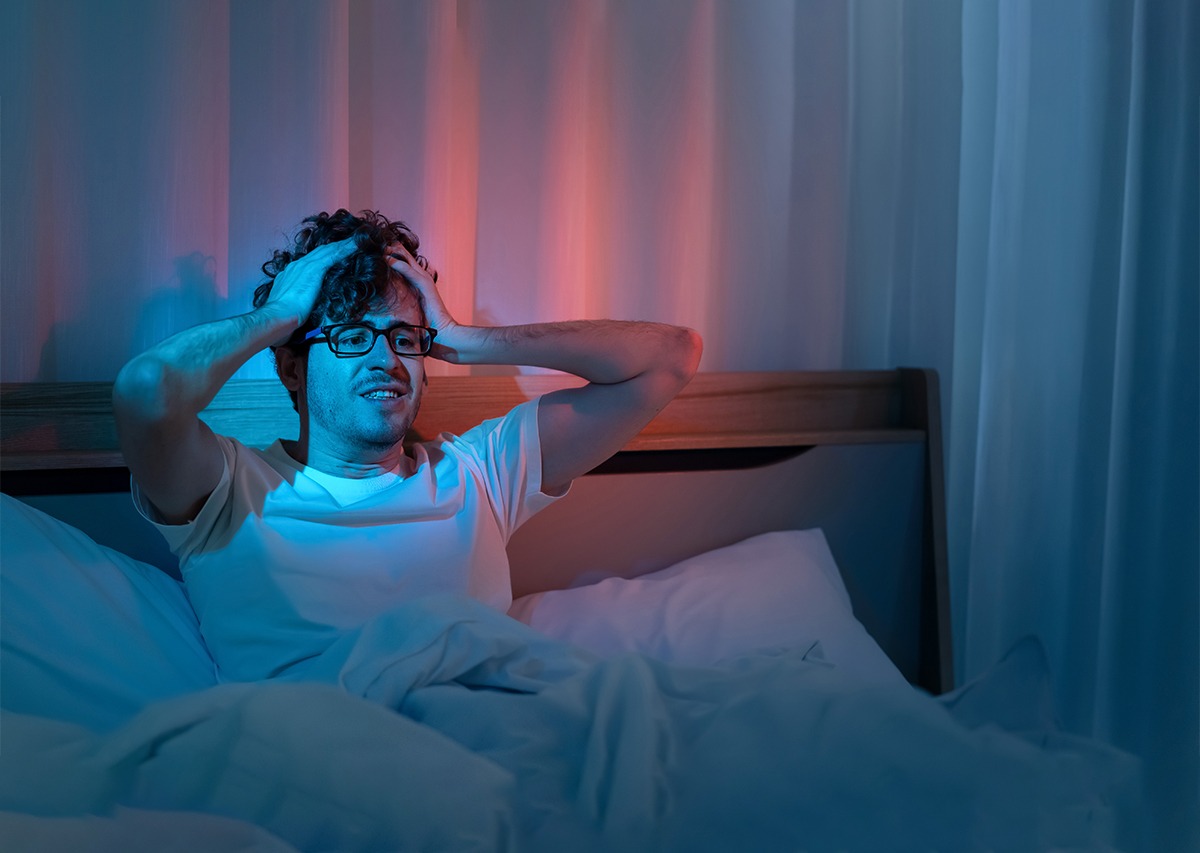
Waking up exhausted despite getting a full night’s sleep can feel confusing, frustrating, and even alarming. You go to bed on time, clock seven to eight hours of rest, and still wake up feeling drained. Your body feels heavy, your mind struggles to focus, and the day begins with fatigue instead of energy. This isn’t laziness, stress, or something you should simply “push through.” Persistent tiredness after sleep is often your body’s way of signaling that something deeper is going on.
At JCS Lung And Sleep Center, we frequently see patients who believe they are sleeping well but continue to feel exhausted every single day. The truth is that sleep is not just about duration. It’s about quality, breathing, oxygen levels, and uninterrupted sleep cycles. When these are disrupted, even long hours of sleep can fail to restore your energy.
What Does “Always Tired Even After Sleep” Actually Mean?
Feeling tired occasionally is a normal part of life, especially during stressful periods or after physical exertion. However, when fatigue becomes a daily companion despite adequate sleep, it points toward an underlying issue. This type of exhaustion often shows up as unrefreshing sleep, constant daytime sleepiness, difficulty concentrating, irritability, and reduced productivity.
Many people normalize this feeling, assuming it’s due to age, workload, or lifestyle. But chronic tiredness after sleep is not normal. It indicates that your sleep is not performing its most important function—restoring your body and mind.
Why Sleeping More Doesn’t Always Fix Fatigue
One of the most common misconceptions about sleep is that more hours automatically mean better rest. In reality, sleep quality matters far more than sleep quantity. Your body needs to move smoothly through different sleep stages, including deep sleep and REM sleep, to recover physically and mentally.
When breathing problems, oxygen drops, or repeated awakenings interrupt these stages, sleep becomes fragmented. Even though you may not remember waking up, your brain and body are repeatedly disturbed throughout the night. Over time, this leads to cumulative exhaustion that no amount of extra sleep can fix.
Medical Reasons You Feel Tired Even After Sleeping
Persistent fatigue after sleep is often linked to medical conditions that interfere with breathing, oxygen delivery, or sleep architecture. Identifying these causes is essential for effective treatment.
Sleep Apnea: A Common Yet Overlooked Cause
Sleep apnea is one of the leading medical reasons people feel tired even after a full night’s sleep. It occurs when breathing repeatedly stops and starts during sleep, causing oxygen levels to drop and the brain to briefly wake the body to resume breathing. These awakenings are often so short that the person is unaware of them.
Despite spending enough time in bed, the constant interruptions prevent deep, restorative sleep. Many people with sleep apnea report loud snoring, gasping during sleep, morning headaches, dry mouth, and excessive daytime sleepiness. At JCS Lung And Sleep Center, diagnosing and managing sleep apnea is a core focus because untreated apnea can severely affect long-term health.
Low Oxygen Levels During Sleep
Not all nighttime oxygen problems are caused by sleep apnea. Some individuals experience low oxygen saturation during sleep due to lung conditions, obesity-related breathing disorders, nasal obstruction, or reduced lung capacity. These oxygen drops strain the heart and muscles and prevent the body from fully recharging overnight.
Even if you don’t feel short of breath during the day, your body may be struggling silently at night. Over time, this leads to chronic fatigue, weakness, and mental fog that persists despite adequate sleep.
Insomnia That Goes Unnoticed
Insomnia doesn’t always mean lying awake for hours. Some people experience frequent micro-awakenings or very light sleep that never reaches restorative stages. This type of insomnia can be hard to recognize because total sleep time may appear normal.
People with unrecognized insomnia often wake up feeling unrefreshed, feel tired throughout the day, and struggle with focus and mood. Because the problem isn’t obvious, it’s often ignored or misattributed to stress or lifestyle factors.
Circadian Rhythm Disorders
Your body follows an internal biological clock that regulates sleep and wakefulness. When this clock is disrupted, sleep quality suffers even if sleep duration remains unchanged. Irregular sleep schedules, late-night screen exposure, shift work, and frequent travel can all disturb circadian rhythms.
When your sleep-wake cycle is out of sync, you may feel alert late at night but exhausted during the day. Over time, this misalignment leads to persistent fatigue and reduced overall well-being.
Lung and Breathing Disorders
Healthy breathing is essential for restorative sleep. Conditions such as asthma, chronic obstructive pulmonary disease (COPD), post-COVID lung complications, or chronic nasal congestion can interfere with nighttime breathing. These issues often worsen during sleep, leading to poor oxygenation and frequent sleep disruptions.
At JCS Lung And Sleep Center, lung health and sleep health are evaluated together because breathing problems during sleep are a major yet often overlooked cause of chronic fatigue.
Hormonal and Metabolic Imbalances
Sometimes, persistent tiredness isn’t caused by sleep itself but by how the body produces and uses energy. Conditions such as thyroid disorders, diabetes, vitamin deficiencies, and iron deficiency can all contribute to fatigue that doesn’t improve with rest.
These issues often coexist with sleep problems, making fatigue more severe and harder to resolve without medical evaluation.
Mental Health and Sleep Quality
Chronic stress, anxiety, and depression can significantly alter sleep architecture. Even when sleep duration is adequate, emotional distress can cause increased nighttime awakenings, reduced REM sleep, and heightened alertness during the night.
The result is sleep that looks sufficient on the surface but fails to restore mental and physical energy.
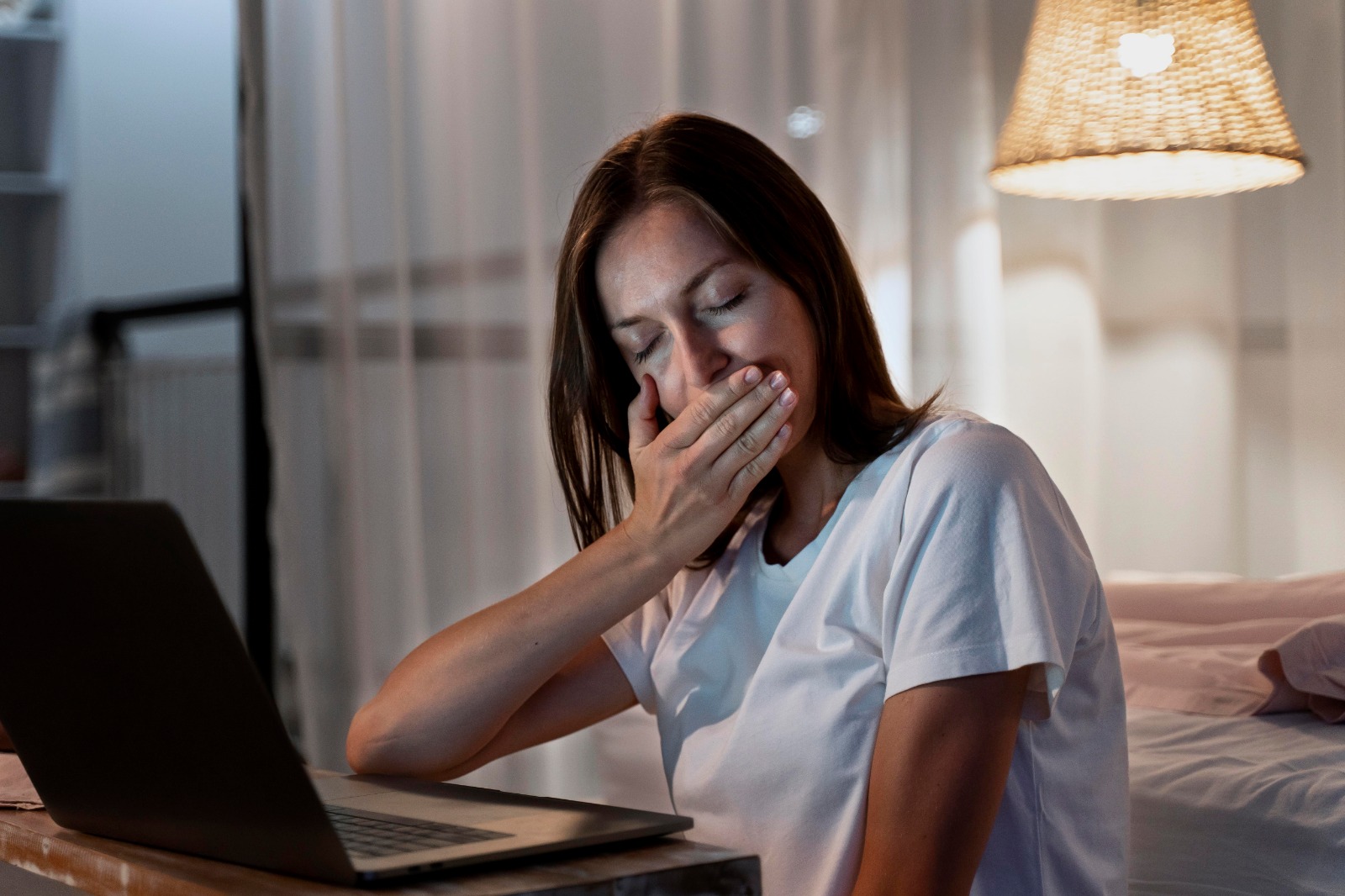
Why Persistent Fatigue Should Never Be Ignored
Living with constant tiredness isn’t just uncomfortable—it’s risky. Untreated sleep-related fatigue increases the likelihood of high blood pressure, heart disease, diabetes, depression, weakened immunity, and accidents at work or on the road.
Fatigue is often the body’s earliest warning sign that something is wrong. Ignoring it allows underlying conditions to progress silently.
When Should You Get Medically Evaluated?
If you feel tired most days despite sleeping enough hours, or if fatigue lasts longer than a few weeks, it’s time to seek medical evaluation. Snoring, morning headaches, daytime sleepiness, poor concentration, and reliance on caffeine are all signals that your sleep may not be as healthy as you think.
At JCS Lung And Sleep Center, evaluation focuses on understanding the root cause rather than masking symptoms.
How JCS Lung And Sleep Center Evaluates Chronic Fatigue
Our approach is comprehensive and personalized. We begin with a detailed sleep and health history, followed by targeted assessments of breathing, lung function, and oxygen levels. When needed, sleep studies are conducted to analyze sleep stages, breathing patterns, oxygen saturation, and heart rate during sleep.
This data-driven approach allows us to identify the exact cause of your fatigue and design an effective treatment plan.
The Role of Sleep Studies in Diagnosing Fatigue
Sleep studies are considered the gold standard for diagnosing sleep-related causes of fatigue. They provide valuable insights into breathing interruptions, oxygen drops, sleep stage distribution, and overall sleep quality.
Many patients describe their sleep study results as a turning point—finally offering clarity about why they feel exhausted despite sleeping.
Treatment Focused on Restoring Real Sleep
There is no one-size-fits-all solution for chronic fatigue. Treatment depends on the underlying cause and may include breathing support therapies, targeted lung treatments, medical management, or structured sleep optimization strategies.
The goal is not just to help you sleep longer, but to help you sleep better—so you wake up refreshed and energized.
Why Patients Choose JCS Lung And Sleep Center
Patients trust JCS Lung And Sleep Center because of our integrated expertise in lung and sleep medicine. We focus on identifying root causes, using advanced diagnostics, and providing compassionate, long-term care that improves quality of life—not just sleep hours.
You Deserve to Wake Up Feeling Energized
Being tired all the time is not normal, and it’s not something you have to live with. If you are always tired even after sleep, your body is asking for help. Getting medically evaluated can be the first step toward better sleep, better health, and better days.
JCS Lung And Sleep Center is committed to helping you reclaim the energy and clarity you deserve—starting with truly restorative sleep.
Frequently Asked Questions (FAQs)
Why do I feel tired even after getting enough sleep?
Feeling tired despite adequate sleep often means your sleep quality is poor. Conditions like sleep apnea, low oxygen levels, breathing disorders, or fragmented sleep can prevent restorative rest.
Is constant fatigue after sleep a medical problem?
Yes. Persistent fatigue is not normal and may indicate underlying sleep disorders, lung conditions, hormonal imbalances, or metabolic issues that require medical evaluation.
Can sleep apnea cause tiredness throughout the day?
Absolutely. Sleep apnea repeatedly disrupts breathing during sleep, reducing oxygen levels and preventing deep sleep, which leads to excessive daytime fatigue.
How do I know if I need a sleep study?
If you experience chronic tiredness, loud snoring, morning headaches, daytime sleepiness, or poor concentration despite sleeping enough hours, a sleep study can help identify the cause.
How can JCS Lung And Sleep Center help with constant tiredness?
JCS Lung And Sleep Center provides comprehensive evaluation including sleep studies, lung assessments, and oxygen monitoring to diagnose the root cause and offer personalized treatment.